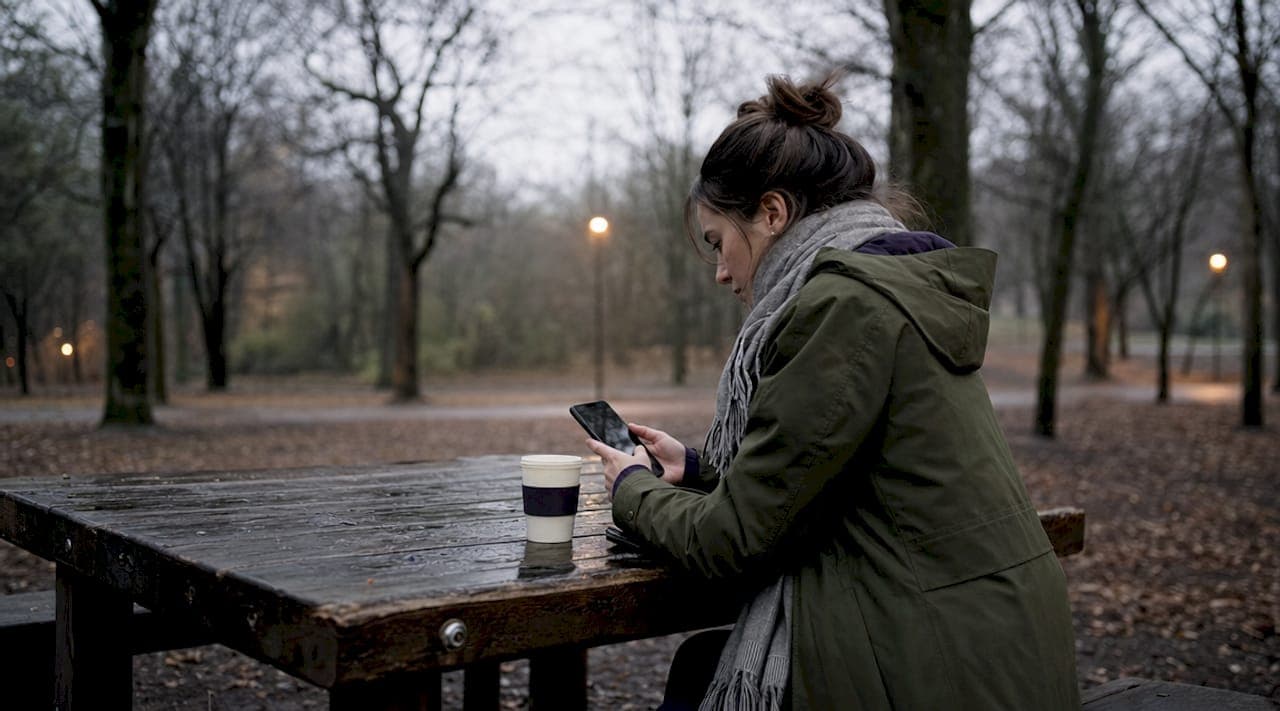
Common dating app frustrations in 2026 are defined by emotional burnout, algorithmic manipulation, and a widening gap between what users want and what platforms are designed to deliver. Pew Research data shows 45% of Americans who used a dating site or app in the past year felt frustrated, while only 28% felt hopeful. That gap is not accidental. Platforms like Tinder, Bumble, and Hinge are built around retention metrics, not relationship outcomes. And the psychological toll is real. A meta-analysis covering 26,000 people across 17 years linked dating app use to measurable increases in depression and anxiety. If you have been feeling worn down by swiping, ghosting, or going nowhere fast, the data says you are not alone.
1. What causes emotional burnout and fatigue on dating apps in 2026?
Dating app burnout is not just tiredness. It is a formal psychological syndrome defined by three components: emotional exhaustion, cynicism toward the process, and a growing sense of inefficiency. These are the same markers used to diagnose occupational burnout, and they apply directly to how many people now experience online dating.
The design of most apps accelerates this. Swipe-based interfaces mimic slot machine mechanics, delivering variable rewards that keep users engaged without delivering satisfaction. You swipe, you match, you feel a brief lift. Then nothing happens. That cycle, repeated hundreds of times, conditions a kind of low-grade despair. A Forbes Health survey found 78% of U.S. dating app users report emotional fatigue, with 40% citing the inability to find a good connection as the top cause. That is not a personal failure. That is a design outcome.
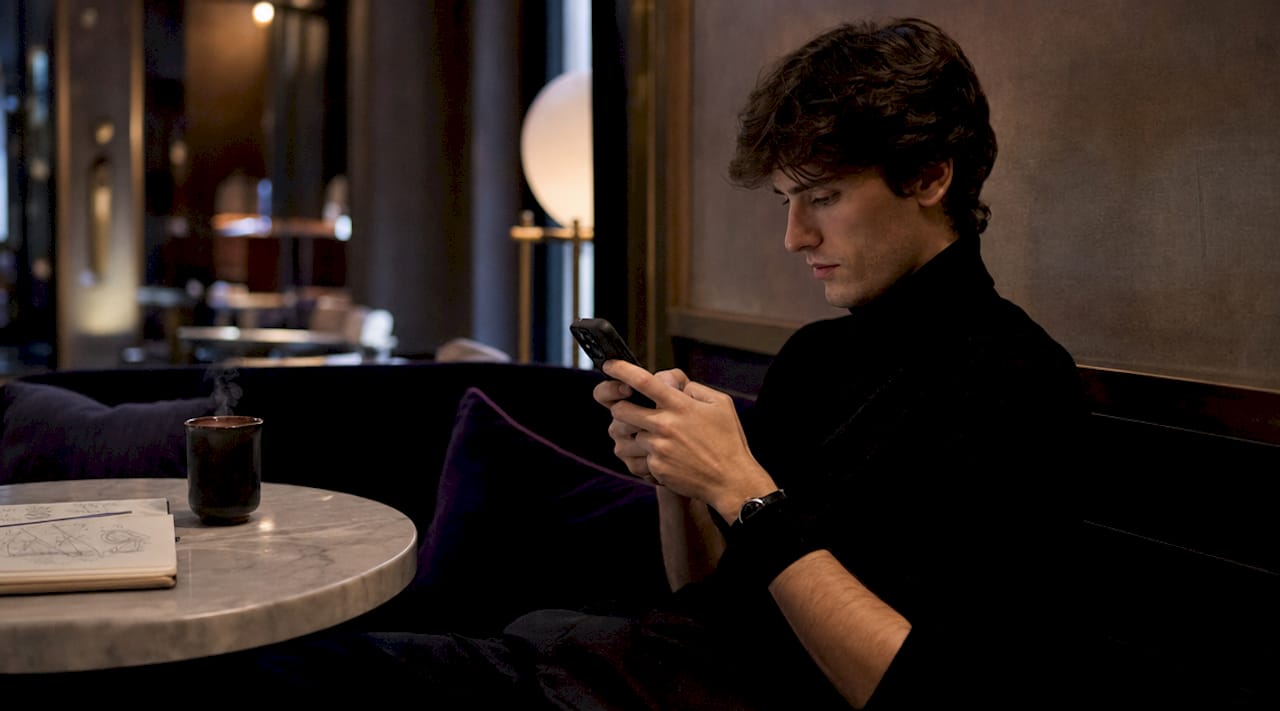
Repetitive conversations compound the problem. Many users report cycling through the same opening lines, the same "what do you do" exchanges, and the same slow fade into silence. Volume without depth creates exhaustion faster than no volume at all.
Pro Tip: Set a hard limit of 20 minutes per session on any dating app. Research on decision fatigue shows that quality of choices drops sharply after extended browsing. Shorter, more intentional sessions protect your emotional energy and improve the quality of your interactions.
- Emotional exhaustion from high-volume, low-reward swiping
- Cynicism that builds after repeated ghosting or dead-end matches
- Inefficiency: spending hours on apps without moving closer to a real connection
- Slot machine reward loops that keep users engaged without satisfying them
2. How algorithmic design and business models create user dissatisfaction
The core tension in dating app economics is this: the platform profits from your continued use, not from your successful relationship. Once you find a partner, you cancel your subscription. That means every feature designed to help you succeed faster is also a feature that shortens the platform's revenue window.
Dating app business models prioritize retention and engagement over relationship formation. This creates systemic dissatisfaction by design. Match throttling, where free users receive fewer and lower-quality matches to push them toward paid tiers, is one documented pattern. Paywalls on basic features like seeing who liked you add psychological pressure without adding genuine value.
Harassment is another structural problem, affecting certain demographics far more than others. Women and LGBTQ+ users report disproportionate volumes of unwanted messages. The apps' incentive to maximize message volume conflicts directly with the need to filter for quality and safety.
"The swiping model was never designed to find you a partner. It was designed to keep you swiping." This is the uncomfortable truth behind most dating app complaints in 2026.
- Subscription revenue depends on keeping you single and engaged
- Match throttling limits free-tier visibility to push upgrades
- Paywalls on "who liked you" features create artificial urgency
- Gamification parallels regulated gambling's reinforcement schedules
- Harassment volume is structurally tolerated because message activity boosts engagement metrics
Recognizing this system design does not make the apps useless. It does mean you can stop interpreting poor results as personal failure and start managing your expectations accordingly.
3. Top day-to-day frustrations users report in 2026
The most common dating app grievances in 2026 cluster around five recurring experiences. Each one has a structural cause, not just bad luck.
Swipe fatigue is the most widely reported. Match Group CEO Spencer Rascoff acknowledged in 2026 that Gen Z is tired of structured, swipe-based apps and prefers low-pressure, less rigid interactions. That preference reflects a broader exhaustion with the format itself.
Ghosting remains the most emotionally damaging pattern. A conversation builds, then disappears without explanation. The absence of closure triggers the same psychological response as social rejection, and it happens repeatedly.
Surface-level conversation is the third major complaint. Apps minimize social friction at the matching stage but externalize the harder work of real scheduling and depth-building. Swipe and chat loops create low-stakes social exhaustion because they never push toward anything real.
| Frustration | User experience impact |
|---|---|
| Swipe fatigue | Decision fatigue, reduced engagement quality |
| Ghosting | Emotional rejection, loss of confidence |
| Surface-level chat | Wasted time, growing cynicism |
| Attention mismatch | Some users overwhelmed, others ignored |
| Slow path to real dates | Matches stall before meeting in person |
Confidence gaps are a newer, well-documented issue. Hinge CEO Jackie Jantos stated in 2026 that Gen Z users lack the confidence to initiate conversations, partly because pandemic-era social development was disrupted. The absence of in-person social cues makes digital initiation feel higher-stakes, not lower.
4. How dating apps are evolving in 2026 to address these frustrations
The industry is responding to dating app user dissatisfaction, though the pace is uneven and the solutions are still being tested.
Bumble is the most visible example of structural change. Bumble's paying users fell 21.1% to 3.2 million in Q1 2026, and the company has committed to a full reimagined experience later in 2026 focused on converting matches into real-life dates. That is a meaningful shift in stated priority, even if the execution remains to be seen.
Hinge is deploying AI-powered conversation starters and profile review tools specifically to reduce the confidence barrier for Gen Z users. The intent is to reduce guesswork in social interaction without replacing authentic connection. Whether AI assistance helps or creates a new layer of performative behavior is still an open question.
- Bumble's redesign moves away from swipe accumulation toward date facilitation
- Hinge's AI tools offer conversation prompts and profile coaching
- Match Group is experimenting with lower-pressure, less structured interaction formats
- Community and event-based features are gaining traction as alternatives to one-on-one cold matching
- In-person meetup integrations are being tested to shorten the match-to-date timeline
Pro Tip: When a platform offers AI-assisted conversation starters, use them as a launching pad, not a script. Personalize the prompt with one specific detail from the other person's profile. That small addition signals genuine attention and separates you from users who copy-paste the suggestion verbatim.
The swiping model is increasingly seen as outdated, and major platforms are shifting toward experiences that better convert matches to real dates. That is progress. But the business model tension described above has not been resolved. Redesigns that improve user experience without reducing retention revenue are the ones that will actually ship.
5. Realistic alternatives for users frustrated with dating apps in 2026
If the apps are not working for you, the answer is not necessarily more apps. It is a different relationship with how you find connection.
Balancing app use with offline social activity is the most consistently effective strategy. Interest-based groups, recurring community events, and shared activities create the repeated low-pressure exposure that research consistently links to genuine connection. You meet people in contexts where behavior is more natural and social cues are present.
Care-based dating approaches prioritize empathy and quality over volume. Instead of optimizing your profile for maximum matches, you focus on fewer, more intentional interactions. This approach directly counters the burnout cycle by removing the performance pressure that accelerates exhaustion.
- Take intentional app breaks of at least one week every two months to reset your emotional baseline
- Join recurring groups around shared interests, not dating-specific events, to meet people in lower-stakes contexts
- Use community-based platforms that prioritize belonging over swiping
- Limit active conversations to three or four at a time to maintain depth over breadth
- Treat AI features as confidence tools, not substitutes for your own voice
Users who interpret poor app outcomes as personal failure are missing the structural picture. The environment shapes the interaction. Changing the environment, whether by switching platforms, taking breaks, or going offline, changes the outcome more reliably than optimizing your profile.
Key takeaways
Dating app frustrations in 2026 stem from deliberate design choices that prioritize engagement over connection, and the most effective response is changing your environment, not your profile.
| Point | Details |
|---|---|
| Burnout is structural | 78% of users report emotional fatigue driven by app design, not personal failure. |
| Business model misalignment | Platforms profit from retention, not relationships, creating systemic dissatisfaction. |
| Swipe fatigue is industry-confirmed | Match Group's CEO acknowledged Gen Z is done with structured swipe formats. |
| AI tools help but don't fix the root | Hinge's AI features reduce confidence barriers without resolving design problems. |
| Environment change beats profile change | Switching to community-based or offline approaches consistently outperforms app optimization. |
What I've actually learned watching this play out
I have spent a long time paying attention to how people experience dating apps, and the pattern that stands out most is not the ghosting or the bad dates. It is the self-blame. People spend months convinced that the right photo, the right bio, or the right opening line will finally unlock the experience they are looking for. The data does not support that belief.
The apps are not neutral tools. They are environments with specific incentive structures, and those structures shape behavior in ways most users never see. When Bumble loses 21% of its paying users in a single quarter, that is not a coincidence. That is a signal that the experience has become genuinely unsatisfying for a large number of people.
What I find hopeful is that the industry is being forced to respond. Redesigns focused on real dates rather than match accumulation, AI tools that reduce social anxiety rather than replace it, and the growing legitimacy of community-based alternatives all point toward a more honest conversation about what connection actually requires. Warmth. Presence. A little patience.
The most useful thing you can do right now is stop treating your dating app results as a performance review. They are not a measure of your worth. They are a measure of a system that was never fully designed with your wellbeing in mind. That is worth knowing.
— Albert
A different kind of room
If you recognize yourself in any of this, you already know that swiping harder is not the answer. What you actually want is closeness. Warmth. A place where you can show up as yourself without performing for an algorithm.
Sidefocusapp was built for exactly that. It is a platform designed for men who want genuine intimacy and real connection, without the pressure of traditional roles or the exhaustion of swipe culture. There are no app store barriers, no match throttling, and no gamified loops designed to keep you frustrated. Just a community built around care and presence. If that sounds like what you have been looking for, come find your people at Sidefocusapp.
FAQ
Why do dating apps cause so much emotional exhaustion?
Dating app burnout is a formal psychological syndrome involving emotional exhaustion, cynicism, and inefficiency. A Forbes Health survey found 78% of users report emotional fatigue, driven primarily by the inability to form genuine connections.
Is ghosting on dating apps getting worse in 2026?
Ghosting remains one of the top dating app complaints in 2026 because app design minimizes commitment at every stage. The low-friction matching process makes it easy to disengage without social consequence, and platforms have no structural incentive to change that.
Why do I feel like the apps are working against me?
Because structurally, they are. Dating app business models are built on retention, not successful relationships. Features that help you find a partner faster reduce your time on the platform, which conflicts with subscription revenue goals.
Are dating apps actually changing in 2026?
Yes, though slowly. Bumble is rolling out a redesigned experience focused on real-life dates after paying users dropped 21.1% in Q1 2026. Hinge has deployed AI conversation tools to address Gen Z confidence gaps.
What actually works better than traditional dating apps?
Community-based platforms, interest-group activities, and care-focused dating approaches consistently outperform swipe-based apps for users seeking genuine connection. Taking intentional breaks and limiting simultaneous conversations also reduces burnout significantly.