
Side dating is a consensual arrangement where a man maintains an intimate connection outside his primary partnership with the full knowledge and agreement of everyone involved. This is not a euphemism for cheating. It is a recognized form of ethical non-monogamy (ENM), a broader category that includes open relationships and polyamory. Understanding how side dating works means getting clear on consent, communication, and the emotional agreements that keep everyone safe. This guide covers all of it, without judgment and without filler.
How does side dating work, exactly?
Side dating functions on one non-negotiable foundation: informed, voluntary consent from every person involved. That is what separates it from infidelity. The term "side piece" or "side chick" carries heavy cultural baggage, often implying secrecy and dishonesty. Ethical side dating is the opposite of that. It is open, agreed upon, and actively maintained.
The arrangement typically involves a primary relationship, a committed partnership where both people agree to allow outside connections. The "side" relationship is the secondary connection, which can be romantic, emotional, physical, or all three. What makes it ethical is that no one is deceived. Everyone in the picture knows the structure exists.

Side dating sits within the ENM framework alongside open relationships and polyamory. The difference is often in degree and hierarchy. A side connection tends to be less integrated into daily life than a polyamorous partner, but it carries the same ethical requirements. Closeness and care are still present. The structure is just different.
Why consent and communication are the whole game
Consent in side dating is not a one-time checkbox. Ongoing check-ins and negotiations are required as feelings and circumstances shift. What felt comfortable in month one may feel different in month six. That is normal. The agreement needs to flex with the people inside it.
Clear communication does three things in a side dating arrangement:
- It sets the terms. What kind of contact is allowed? How much time? Are there emotional limits, like not discussing the primary relationship with the side partner?
- It protects everyone. When expectations are explicit, there is far less room for hurt feelings or crossed lines.
- It distinguishes the arrangement from cheating. Transparency is the line. The moment secrecy enters, the ethical framework collapses.
Practical communication tools that work well in side dating include scheduled check-in conversations, written agreements on boundaries, and clear renegotiation protocols when something changes. These are not clinical or cold. They are acts of respect.
Pro Tip: Set a recurring monthly check-in with each partner, even a short 15-minute conversation, to confirm that the current arrangement still feels right for everyone. Relationships drift. Check-ins catch that drift early.
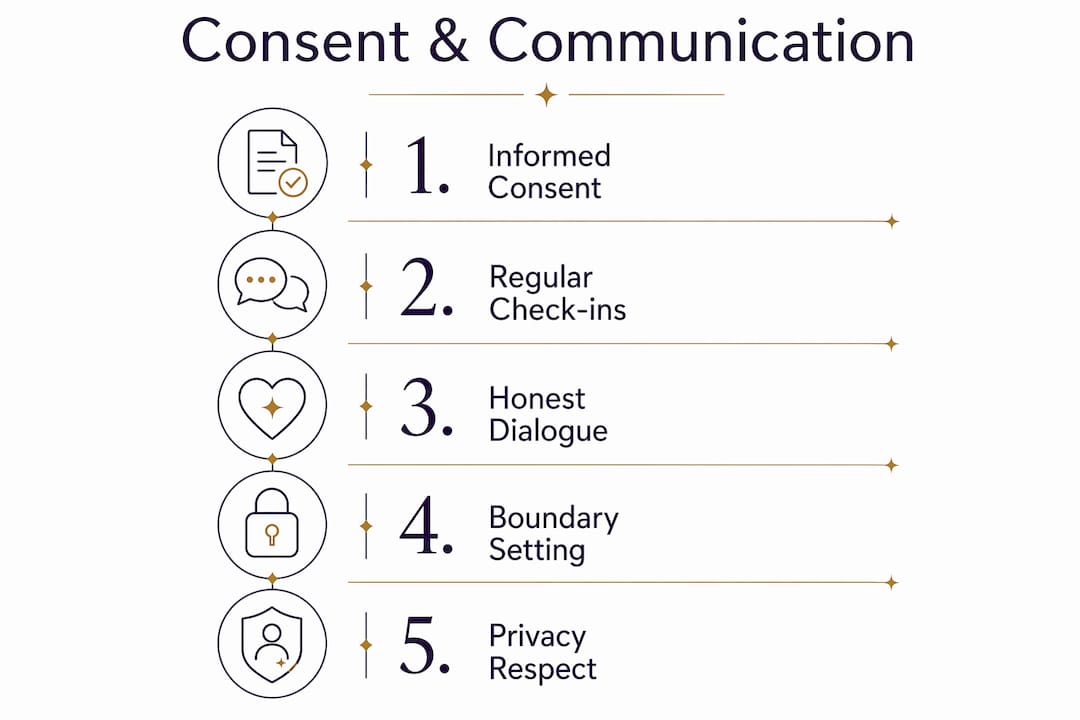
The key factor separating ethical side dating from infidelity is honesty. Not just honesty at the start, but honesty maintained over time. That is the work.
What are the emotional dynamics in side dating?
Emotional intimacy in side dating is real. That is actually the point for many men. The desire is not just physical. It is the warmth of being known, cared for, and present with someone. That depth is valuable. It is also where things get complicated.
Unclear boundaries are the main cause of emotional affairs and relationship strain. When a side connection starts filling emotional needs that belong to the primary relationship, without anyone acknowledging that shift, the arrangement tips into emotional cheating. The difference is not the feeling. It is the secrecy and the displacement.
Common emotional pitfalls in side dating include:
- Ambiguous boundaries. Not defining what "emotional exclusivity" means to each person leaves room for painful misunderstandings.
- Secrecy creep. Emotional affairs often become damaging the moment secrecy starts. Hiding texts, avoiding mentions, and compartmentalizing are warning signs.
- Priority drift. When the side connection starts receiving more emotional energy than the primary relationship, without agreement, trust erodes fast.
- Undefined monogamy. Each person in the arrangement may have a different definition of what emotional exclusivity means. Spell it out.
Recognizing these patterns early is not a sign that side dating is failing. It is a sign that the arrangement needs a conversation. That conversation is always available to you, and having it is the most caring thing you can do for everyone involved. Exploring closeness-focused dating can help you understand what emotional boundaries actually look like in practice.
Practical frameworks for sexual health and privacy
Healthy side dating requires two practical frameworks running in parallel: sexual health agreements and digital privacy agreements. Neither is optional if you care about the people involved.
Sexual health agreements
Shared sexual health checklists give all partners the information they need to make safe decisions. A solid agreement covers testing intervals, disclosure timelines for any new partners, and what happens if a health status changes.
- Agree on testing frequency. Quarterly testing is a common baseline for people with multiple partners.
- Set disclosure timelines. If a new partner enters the picture, how quickly does each existing partner need to know?
- Define safe sex practices. What protection is required? Are there exceptions, and if so, under what conditions?
- Build in a review date. Revisit the agreement every six months or when the relationship structure changes.
| Agreement element | Purpose |
|---|---|
| Testing intervals | Keeps all partners informed and safe |
| Disclosure timelines | Prevents information gaps that erode trust |
| Safe sex protocols | Reduces health risk across all connections |
| Review schedule | Adapts the agreement as the relationship evolves |
Digital privacy and communication
Digital communication carries unintended relational weight. A message that feels casual to you may feel significant to the person receiving it. Explicit consent for the type and frequency of digital contact is not overthinking. It is care.
Agree on which platforms you use, how quickly responses are expected, and what level of privacy each person needs. Some partners want full discretion. Others are comfortable with more visibility. Neither is wrong. What matters is that the agreement is explicit, not assumed.
Pro Tip: Treat digital consent the same way you treat in-person consent. Ask directly: "Are you comfortable with me messaging you on this platform?" and "How quickly do you need me to respond?" Small questions prevent large misunderstandings.
Assuming privacy without explicit consent creates ethical risk. Negotiate digital boundaries the same way you negotiate physical ones.
How does side dating compare to open relationships and polyamory?
Side dating fits within the broader ENM spectrum, but it has a distinct shape. Understanding where it sits helps you choose the structure that actually fits your life.
| Relationship model | Primary structure | Emotional depth | Hierarchy |
|---|---|---|---|
| Side dating | One primary + one side connection | Moderate to high | Primary relationship takes precedence |
| Open relationship | One primary + casual outside connections | Lower, often physical | Primary relationship is central |
| Polyamory | Multiple equal or near-equal partnerships | High across all | Often non-hierarchical |
Open relationships tend to prioritize physical freedom with less emotional entanglement outside the primary bond. Polyamory often involves deep emotional investment across multiple partnerships, sometimes with no hierarchy at all. Side dating sits between those two. The side connection is meaningful, not casual, but the primary relationship holds a recognized priority.
Personal autonomy is central to all three models. The agreements you make are yours. No external standard dictates what your arrangement must look like. What matters is that every person involved has genuinely agreed to the terms and has the freedom to renegotiate or exit. Building authentic connections within any ENM structure requires the same honesty that makes side dating work.
Key Takeaways
Ethical side dating works when consent is ongoing, communication is explicit, and every person in the arrangement has full knowledge and genuine agreement.
| Point | Details |
|---|---|
| Consent is ongoing | Revisit agreements regularly as feelings and circumstances change. |
| Transparency defines ethics | The moment secrecy enters a side connection, it becomes infidelity. |
| Emotional boundaries matter | Define what emotional exclusivity means to each person before feelings complicate the conversation. |
| Sexual health agreements protect everyone | Set testing intervals, disclosure timelines, and safe sex protocols in writing. |
| Digital consent is real consent | Explicitly agree on platforms, frequency, and privacy before messaging begins. |
What I've learned about side dating and emotional honesty
I have watched men enter side dating arrangements with the best intentions and still cause real pain. Not because they were dishonest at the start, but because they let vague expectations do the work that explicit agreements should have done.
The most common mistake is treating the initial conversation as the whole agreement. You talk once, everyone nods, and then life moves forward. But relationships are not static. Feelings shift. Priorities shift. The side connection that felt light in the beginning can quietly become the place where you bring your real self, while the primary relationship gets the performance. That is not side dating anymore. That is emotional drift, and it damages everyone involved.
What actually works is converting every vague expectation into a specific, shared agreement. Not "we'll keep things casual" but "we'll meet twice a month, we won't discuss our primary relationships with each other, and we'll check in every six weeks." Specificity is not unromantic. It is the most caring thing you can offer someone you are genuinely close to.
The men who navigate side dating well share one trait: they are willing to have uncomfortable conversations before the discomfort becomes a crisis. They ask the question that feels awkward. They name the feeling that is shifting. They do not wait for someone to get hurt before they speak. That willingness is what makes the difference between a connection that enriches everyone's life and one that quietly erodes it.
— Albert
Sidefocusapp: built for men who want real closeness
Men who identify as Sides know that what they are looking for is not just physical. It is presence. Warmth. Being genuinely known by someone who cares.

Sidefocusapp is a relationship platform built specifically for that. It is not a hookup site. It is a space where men seeking authentic intimacy outside traditional relationship roles can connect with others who understand that desire. Unlimited messaging, community engagement, and no app store barriers mean the connection starts immediately. The door is small on purpose. The room inside is warm. If you are ready to find a connection that actually fits who you are, Sidefocusapp is where that starts.
FAQ
What is a side in dating?
A "side" is a person who maintains an intimate connection outside a primary relationship, with the knowledge and consent of everyone involved. The term distinguishes ethical side connections from secret affairs.
Is side dating the same as cheating?
Side dating is not cheating when it is based on informed, voluntary consent from all parties. Cheating is defined by deception and the absence of consent, not by the existence of multiple connections.
How do you set boundaries in a side dating arrangement?
Set boundaries by naming specific terms: how often you meet, what emotional topics are off-limits, and what each person's privacy needs are. Written agreements and regular check-ins keep those boundaries clear as the relationship evolves.
What is the difference between side dating and an open relationship?
Side dating typically involves one meaningful side connection with a recognized hierarchy favoring the primary relationship. Open relationships more often involve multiple casual outside connections with less emotional depth outside the primary bond.
How does digital communication work in side dating?
Digital intimacy requires explicit consent for platforms, frequency, and privacy expectations. Agree on these terms directly before messaging begins to avoid misunderstandings that carry real relational weight.